
How to Tell If a Dental Implant Is Failing and When to See a Pasadena Periodontal Surgeon for Urgent Rescue
Blog:How to Tell If a Dental Implant Is Failing and When to See a Pasadena Periodontal Surgeon for Urgent Rescue

How to Tell If a Dental Implant Is Failing and When to See a Pasadena Periodontal Surgeon for Urgent Rescue
Dental implants are designed to be strong, stable, and long lasting, but problems can still happen. If an implant starts to feel loose, painful, swollen, or uncomfortable, it is important to act quickly. A failing dental implant does not always mean the implant must be removed, but it does mean you should see a Pasadena periodontal surgeon as soon as possible for an evaluation.
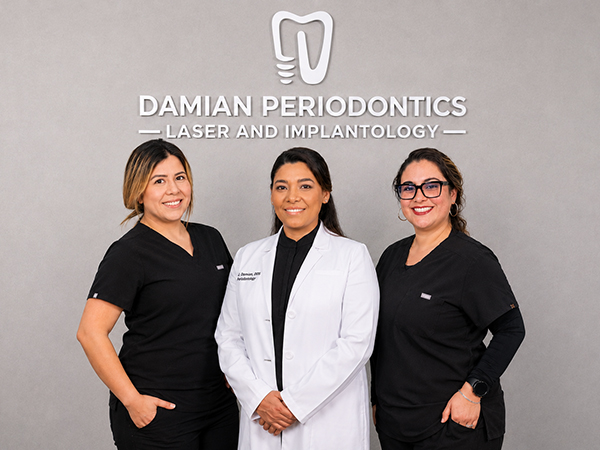
At Damian Periodontics, Dr. Arianna Damian provides specialized periodontal care for patients experiencing dental implant concerns, gum inflammation, bone loss, or changes around an existing implant.
What Does a Failing Dental Implant Feel Like?
A healthy dental implant should feel secure and comfortable. While mild tenderness can happen after implant placement, new pain months or years later may be a warning sign. Some patients notice discomfort when chewing, while others see swelling or bleeding around the implant.
Dental implant failure can happen for several reasons, including infection, lack of bone support, gum disease, bite pressure, trauma, or poor healing. The sooner the issue is diagnosed, the more options you may have to protect your oral health.
Signs You Should Not Ignore
If something feels different around your implant, do not wait for it to get worse. Contact a periodontal specialist if you notice:
• Pain, pressure, or throbbing around the implant
• Swollen, red, or bleeding gums
• A loose implant, crown, or abutment
• Gum recession around the implant
• Pus, bad taste, or persistent bad breath
• Difficulty chewing on the implant
• A change in how your bite feels
These symptoms may point to peri-implantitis, which is inflammation or infection around a dental implant. Without treatment, it can damage the gum tissue and supporting bone.
When Is It Urgent?
You should seek urgent periodontal care if the implant feels loose, there is swelling that is spreading, you have ongoing bleeding or drainage, or you are in significant pain. Our Pasadena periodontal surgeon can determine whether the problem is coming from the implant itself, the surrounding bone, the gums, or the restoration attached to the implant.
In many cases, early treatment may help control infection, reduce inflammation, and stabilize the area. Waiting too long can make treatment more complex.
How a Periodontal Surgeon Evaluates Implant Problems
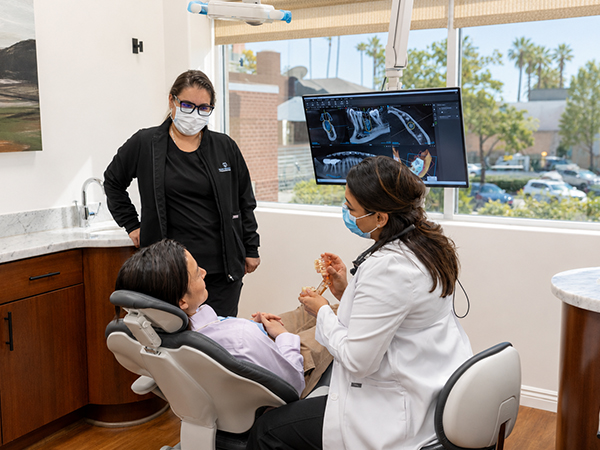
Our periodontal surgeon will examine the gum tissue, check implant stability, evaluate bone levels, and review the way your teeth come together when you bite. Digital imaging may also be used to see what is happening beneath the surface.
Dr. Damian takes a detailed, personalized approach to implant concerns, helping patients understand what is happening and what treatment options may be available. Depending on the situation, care may include deep cleaning around the implant, infection control, gum treatment, bone regeneration, bite adjustment, or implant removal and replacement planning.
Protecting Your Implant and Oral Health
Even after successful implant treatment, long-term maintenance is essential. Regular periodontal visits, good home care, and early attention to gum changes can help protect your implant and surrounding bone.
Schedule a consultation with Damian Periodontics assess your dental implant concerns and help determine the right next step for your care. Contact our office in Pasadena, California, by calling (626) 360-0270 to book an appointment today.
All Periodontic Services
We offer a wide variety of periodontic services to the Pasadena community. Contact us with any questions about our services.
Keep In Touch
For non-urgent questions or to learn more about our services, contact us today!
© 2026 Damian Periodontics. All rights Reserved - Accessibility Statement - Privacy Policy - Sitemap
Managed and Designed by 